
What Is Treatment-Resistant Depression? A Guide for Patients in Newton, NJ
Key Takeaways
- Treatment-resistant depression (TRD) means depression symptoms have not improved after at least two adequate trials of antidepressant medications or other standard treatments, each given at proper doses for six to eight weeks.
- Resistant depression is common-affecting approximately 30% of people with depression-and is not a sign of personal failure. More advanced and emerging treatments are available.
- Poplar Tree Wellness Center in Newton, NJ offers comprehensive assessment, medication strategies, transcranial magnetic stimulation, ketamine therapy (including Spravato/esketamine), psychotherapy, and holistic supports for all ages.
- Personalized treatment plans and collaborative mental health care can significantly improve treatment outcomes. Contact Poplar Tree Wellness Center to schedule a consultation.
Understanding Treatment-Resistant Depression
If you have tried multiple medications and still feel weighed down by depression, you are not alone-and you are not doing anything wrong. Treatment-resistant depression is a clinical term that describes major depressive disorder that has not responded adequately to at least two standard treatments, typically antidepressant medications given at the right dose for six to eight weeks each.
TRD is defined as lack of response to two antidepressant treatments, though no single universally accepted definition of TRD exists. What clinicians agree on is that treatment-resistant depression is a subtype of major depressive disorder, and it exists on a spectrum. Some people experience partial improvement-enough to notice but not enough to restore daily life-while others see little change at all. Treatment-resistant depression affects approximately 30% of people with depression, which translates to millions of adults across the United States. People in Sussex County communities like Newton, Sparta, and Hackettstown face these same challenges, and recognizing treatment resistance is the first step toward finding a more effective treatment approach, not a label of hopelessness.

How Is Treatment-Resistant Depression Different from Typical Depression?
Standard major depressive disorder usually responds to first-line treatment options. About one-third of patients improve with their very first antidepressant. For many patients, a combination of an SSRI like sertraline or escitalopram at therapeutic doses plus evidence-based talk therapy produces meaningful relief within a couple of months.
Treatment-resistant depression TRD is different. Despite multiple medication trials-sometimes spanning different antidepressant classes-and previous treatment responses that fell short, depressive symptoms persist. Depression symptoms like low mood, sleep disruption, hopelessness, and loss of interest remain significant. Symptoms of TRD can improve partially or not at all, and for some people, medications help a little but not enough to restore work, school, or relationship functioning. Once treatment resistance is suspected, it typically calls for a more comprehensive assessment and more advanced mental health interventions than simply trying another pill from the same category.
Common Signs Your Depression May Be Treatment-Resistant
Only a mental health professional can formally determine TRD, but there are warning signs you can recognize on your own. TRD shows a lack of adequate response to pharmacotherapy despite correct prescription, and identifying treatment resistance early can prevent ineffective treatments from dragging on.
Watch for patterns like:
- Trying two or more antidepressants without meaningful relief
- Cycling through multiple antidepressants of different classes with limited improvement
- Stopping medications repeatedly due to side effects without ever finding an effective option
- Persistent low energy, poor concentration, guilt, or suicidal thoughts continuing for months despite active treatment
- Ongoing work or school impairment, social withdrawal, or frequent emergency visits for mood crises
Treatment-resistant depression is characterized by chronicity and functional impairment, and it often requires specialized psychiatric approaches. If you recognize these patterns, consider seeking a specialized evaluation at Poplar Tree Wellness Center's comprehensive mental health services.
Why Depression Sometimes Becomes Treatment-Resistant
Treatment resistance develops from a mix of biological, psychological, and social factors-not from personal weakness or "not trying hard enough."
Biological contributors: Biological factors genetic variations in how individuals metabolize medications can dramatically affect whether a drug reaches therapeutic levels. Medical conditions like thyroid disorders, thyroid dysfunction, chronic pain, sleep apnea, and chronic inflammation can all complicate depression treatment. Differences in brain structure and brain health-particularly in areas governing mood regulation-play a role that standard antidepressants may not fully address.
Psychological factors: Trauma history, chronic stress, grief, and substance use can worsen depression and blunt treatment response. Personality disorders, anxiety disorders, or unprocessed trauma may keep the nervous system in overdrive regardless of medication.
Incomplete diagnosis: Sometimes the original diagnosis is incomplete. Underlying bipolar disorder, ADHD, or anxiety disorders mean that traditional antidepressants alone may not work. An incomplete diagnosis is one of the most common reasons standard depression treatments fail.
Understanding these root causes through a comprehensive assessment is the essential first step toward finding effective treatments.
Comprehensive Assessment: The First Step at Poplar Tree Wellness Center
When standard treatments have failed, specialized evaluation becomes essential. Poplar Tree Wellness Center in Newton, NJ takes a thorough approach to this process, offering comprehensive mental health treatment that goes beyond standard medication changes.
A comprehensive assessment includes:
- Full mental health and treatment history (medication names, doses, durations, side effects, and previous treatment responses)
- Screening for bipolar disorder, PTSD, substance use, and anxiety disorders
- Medical and psychiatric evaluation with lab work to check for thyroid imbalance, vitamin deficiencies, hormonal issues, and other medical conditions that may blunt treatment effectiveness
The clinic sees children, adolescents, and adults, and coordinates with families and outside therapists or primary care providers when appropriate. This assessment lays the groundwork for personalized treatment plans rather than repeating the same unsuccessful standard treatments.
Medication Strategies When Standard Treatments Haven't Worked
For many patients, adjusting medication strategies can still make a meaningful difference even after multiple treatment attempts. Advanced management strategies for TRD include medication switching and augmentation-not just trying the same class of drug again.
At Poplar Tree Wellness Center, psychiatric providers review your complete treatment history before recommending switch strategies. Options may include:
- Moving to a different antidepressant class (e.g., SNRIs like venlafaxine or duloxetine)
- Combining two antidepressants that target different pathways
- Augmentation with atypical antipsychotics, mood stabilizers, or thyroid hormone
Psychiatric medication management includes close follow-up visits to monitor treatment effectiveness, side effects, and safety as part of depression therapy services in Newton, NJ. Shared decision-making ensures you understand goals, expected timelines, and possible side effects of each medication strategy.
Advanced and Emerging Treatments for Resistant Depression
When multiple medications and basic therapy are not enough, emerging treatments can offer new hope. Electroconvulsive therapy is highly effective for treatment-resistant depression and has been used for decades, while newer investigational interventions and innovative approaches continue to expand the options. Brain stimulation therapies are effective interventions for treatment-resistant depression, often working through different brain pathways than traditional antidepressants, with options such as NeuroStar TMS therapy for depression in Sussex County.
Poplar Tree Wellness Center specializes in interventional psychiatry, including transcranial magnetic stimulation delivered with NeuroStar TMS at Poplar Tree Wellness Center, ketamine therapy, and Spravato for treatment-resistant depression. A comprehensive assessment helps determine which advanced treatment approach is safest and most promising for each individual.
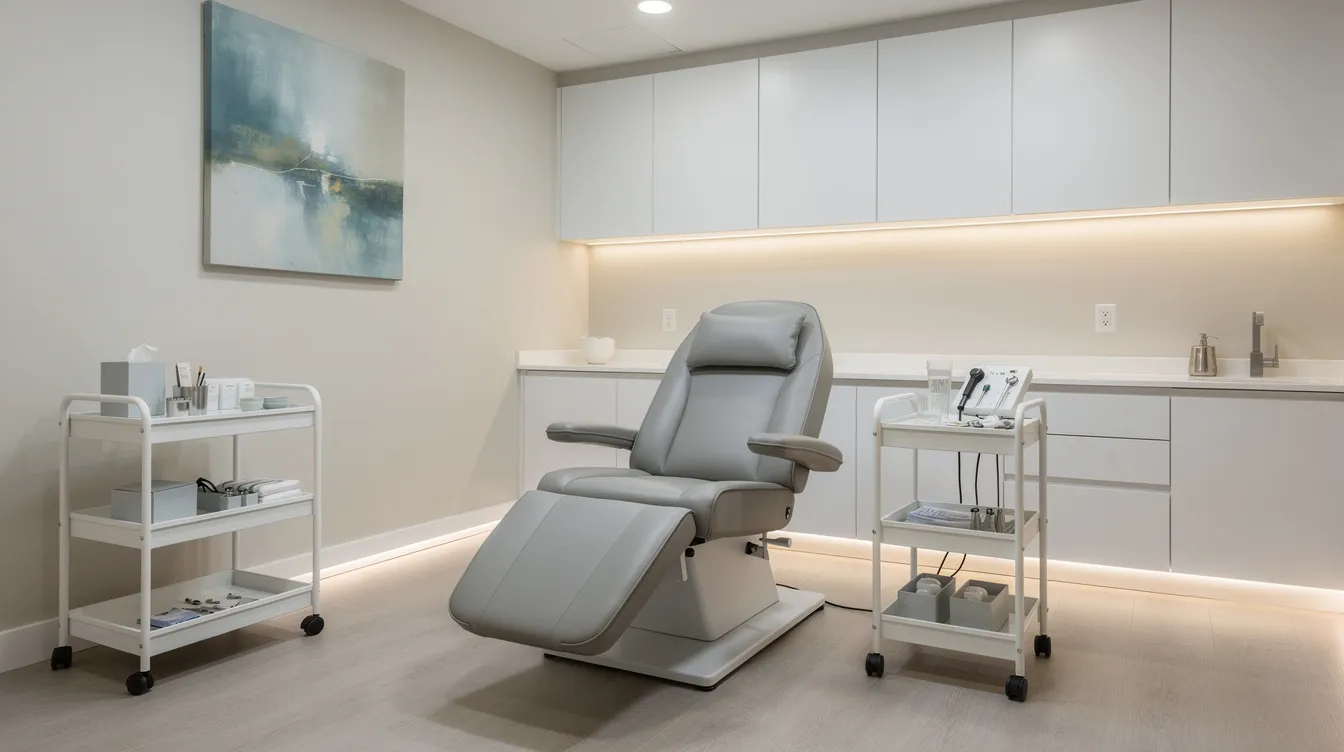
Transcranial Magnetic Stimulation (TMS) for Treatment-Resistant Depression
TMS is a non-invasive procedure that uses focused magnetic pulses to stimulate brain regions involved in mood regulation-specifically the dorsolateral prefrontal cortex. TMS uses magnetic pulses to stimulate brain regions that are underactive in depression, promoting neuroplasticity and improved brain health.
A typical session at Poplar Tree Wellness Center involves sitting comfortably in a treatment chair while a device delivers repetitive transcranial magnetic stimulation to targeted areas. Sessions last about 20–40 minutes, five days per week, over four to six weeks. TMS is a non-invasive outpatient treatment option-no anesthesia is needed, and most patients drive themselves home and return to daily activities immediately.
TMS is FDA approved for treatment-resistant depression and shows a 50–60% effectiveness rate in treatment-resistant cases. About one-third of TMS patients achieve complete remission. Real-world registry data from over 5,000 patients has shown response rates as high as 58–83% depending on the protocol and outcome measure. Poplar Tree's team provides personalized TMS protocols and works with insurance, including Medicare and Medicaid, to explore coverage for TMS therapy in Sussex County.
Ketamine Therapy and Spravato (Esketamine) Nasal Spray
Ketamine is a rapid-acting treatment for severe depression that targets the glutamate neurotransmitter system in the brain rather than serotonin or norepinephrine. Ketamine therapy can provide relief within hours or days-a dramatic contrast to the weeks required by standard antidepressants. Intravenous ketamine is one of the most promising advances for depression, and IV ketamine can provide relief within hours for treatment-resistant depression. Rapid-acting treatments can provide symptom relief within hours, which is critical for patients in crisis.
Esketamine is an FDA-approved nasal spray for treatment-resistant depression, marketed as Spravato. Both generic ketamine therapy and Spravato are administered in a controlled clinical setting at Poplar Tree Wellness Center. A typical session involves a pre-treatment assessment, supervised administration, and an observation period of about two hours to monitor blood pressure and side effects. Patients need a safe ride home afterward.
Candidates for ketamine therapy typically include adults with resistant depression who have tried multiple treatments without adequate relief-potentially including those with suicidal thoughts, under close supervision. These emerging treatments are usually part of a broader plan that includes ongoing psychotherapy and medication management for longer-term stability.
Combining Advanced Treatments with Psychotherapy and Mindfulness Practices
Even the most powerful interventional treatments work best when combined with talk therapy and healthy coping skills. Psychotherapy is crucial for treatment-resistant depression recovery. Therapy helps address stress and trauma contributing to depression, and combining psychotherapy with medication improves treatment outcomes significantly.
Poplar Tree Wellness Center offers or coordinates therapeutic approaches including cognitive behavioral therapy and its benefits-which is effective for treatment-resistant depression-interpersonal therapy, commitment therapy, mindfulness-based approaches, and creative arts therapy for children, adolescents, and adults. These therapeutic approaches can develop healthier coping strategies that sustain improvement between sessions. Mindfulness practices, grounding techniques, and stress-reduction skills strengthen the benefits of TMS or ketamine therapy.
Consider how integrated care works in practice: a patient might receive TMS sessions five days a week, attend weekly cognitive behavioral therapy to address negative thought patterns, and practice daily mindfulness exercises at home. The clinic's therapists and psychiatric providers collaborate to ensure depression treatment plans feel coherent and aligned with each patient's values and goals.
Holistic and Lifestyle Supports for Resistant Depression
Lifestyle changes alone rarely cure treatment-resistant depression, but lifestyle modifications support clinical treatments for depression in meaningful ways. Foundational mental health supports include:
- Consistent sleep hygiene and regular physical movement
- Balanced nutrition and reduced substance use
- Managing chronic conditions and optimizing vitamin levels
Poplar Tree Wellness Center offers holistic diagnostics including blood testing, micronutrient IV therapy, and other holistic wellness and TMS-focused therapies to address underlying deficiencies that may worsen depression. Research increasingly highlights the gut brain connection and how improving physical health can make the brain more responsive to depression treatment, supporting a holistic, whole-person approach to mental health. The clinic's team works with patients to set realistic, step-by-step lifestyle goals that fit their energy level-because even small changes matter when you're working toward recovery. Learn more about holistic approaches to managing chronic illness.
Personalized Treatment Plans and Ongoing Support in Newton, NJ
No two cases of treatment-resistant depression are the same, so individualized care is essential. Combining treatments often yields better outcomes for treatment-resistant depression than any single intervention alone.
Poplar Tree Wellness Center builds personalized treatment plans that may combine medication strategies, TMS, ketamine therapy, psychotherapy, mindfulness practices, and holistic supports-all based on each person's treatment history and preferences. The team regularly reviews progress, adjusts treatments, and remains accessible for questions, emphasizing ongoing support and continuity of care for patients in Newton, Hackettstown, and nearby Sussex County communities.
The clinic works with major insurance plans, including Medicare and Medicaid, to help make advanced depression treatment more accessible. Long-term recovery from resistant depression is often a gradual process, but with consistent support and personalized adjustments, many patients do significantly improve.

Frequently Asked Questions About Treatment-Resistant Depression and Care at Poplar Tree Wellness Center
Below are answers to common questions that patients and families ask about treatment-resistant depression and the practical considerations of getting care locally.
How do I know when it's time to see a specialist for treatment-resistant depression?
If you have tried two or more antidepressants or several months of therapy without meaningful improvement-or if symptoms are worsening, affecting safety, or leading to repeated crises-it's time to seek a specialist. People in and around Newton, NJ can contact Poplar Tree Wellness Center directly for an evaluation, even while working with a primary care doctor or therapist. Identifying treatment resistance early opens the door to other treatments and treatment options that may work where standard approaches have not.
Are treatments like TMS and ketamine therapy safe?
Both transcranial magnetic stimulation and ketamine-based therapies have been studied extensively. TMS and esketamine (Spravato) are FDA approved for certain types of depression. At Poplar Tree Wellness Center, these treatments are delivered under careful medical supervision with screening for medical risks, monitoring during sessions, and post-treatment follow-up. As published in world psychiatry research and systematic review analyses, side effects are generally manageable-TMS may cause mild scalp discomfort, while ketamine sessions involve temporary dissociation and blood pressure monitoring.
How quickly can I expect to feel better with advanced treatments?
Timelines vary. Some people notice improvements within the first few weeks of TMS, while others respond more gradually over the full treatment course. With ketamine or Spravato, some patients experience relief within hours or days of the first sessions. The care team tracks symptoms regularly using standardized scales, adjusts plans as needed, and helps patients set realistic expectations so they don't give up before treatments have had adequate time to work. The World Health Organization recognizes depression as a leading cause of disability-but responded adequately to the right intervention, outcomes can shift dramatically.
Does Poplar Tree Wellness Center work with my current therapist or doctor?
Yes. The clinic coordinates with outside therapists, psychiatrists, and primary care physicians to create a seamless mental health plan. With patient permission, communication includes sharing treatment summaries, medication plans, and recommendations so everyone involved is aligned-an essential part of practical considerations when managing multiple treatments for resistant depression.
How can I support a loved one who has treatment-resistant depression?
Listen without judgment. Encourage consistent treatment and follow-up visits. Help with daily tasks during tougher periods, and learn about TRD so you better understand what your loved one is going through. Poplar Tree Wellness Center can educate families about treatment-resistant depression and, when appropriate, invite them to be part of the treatment conversation to strengthen support at home.
Take the Next Step: Advanced Help for Resistant Depression in Newton, NJ
If standard treatments have left you still struggling, you deserve a care team that won't stop looking for answers. Poplar Tree Wellness Center in Newton and Hackettstown, NJ offers comprehensive assessment, personalized treatment plans, TMS, ketamine therapy, Spravato, psychotherapy, and holistic supports-all under one roof and with particular promise for people whose depression has resisted conventional approaches, making it a leading provider of psychiatry and therapy in Newton, NJ.
Major insurance plans, including Medicare and Medicaid, are accepted. You can reach the clinic by phone, through the website contact form, or by booking online to explore Spravato esketamine treatment in Sussex County, NJ.
Feeling stuck with treatment-resistant depression today does not predict your future. Effective treatments and compassionate mental health professionals are available right here in Sussex County. Reach out to Poplar Tree Wellness Center and begin a new chapter in your depression treatment journey.