
TMS Therapy: A Detailed Guide to Transcranial Magnetic Stimulation at Poplar Tree Wellness Center
Key Takeaways
- TMS (Transcranial Magnetic Stimulation) is an FDA approved, noninvasive outpatient procedure and treatment for depression that uses magnetic pulses to stimulate mood-regulating brain areas without requiring anesthesia or causing memory loss.
- Poplar Tree Wellness Center in Sussex County offers Transcarnial Magnetic Stimulation TMS, one of the most researched and widely used TMS systems, specifically for adults whose depression has not improved with antidepressant medications and talk therapy.
- A typical TMS treatment course involves brief sessions (about 3–20 minutes) five days a week for 4–6 weeks, with no required downtime—patients can drive and return to work immediately afterward.
- Research shows that approximately 50–60% of patients who failed prior depression treatments respond to TMS, with many achieving remission and maintaining improvements for months after completing the course.
- Unlike electroconvulsive therapy, TMS does not cause memory loss, and Poplar Tree’s team coordinates TMS with ongoing care including medication management, psychotherapy, and options like Spravato for long-term wellness.
Introduction to TMS Therapy
Transcranial magnetic stimulation represents a breakthrough for people who have tried multiple antidepressant medications and psychotherapy without finding adequate relief. This noninvasive brain stimulation treatment uses MRI-strength magnetic pulses to improve depression and related symptoms—all without surgery, radiation, or systemic side effects.
The FDA first approved TMS for treatment resistant depression in 2008, marking a significant milestone for patients who had run out of traditional options. TMS is often considered when other treatments such as medication or psychotherapy have not been effective. Since then, indications have expanded to include obsessive compulsive disorder, certain types of migraines, and smoking cessation. This growing list of approved tms applications reflects the strong clinical evidence supporting how tms works to stimulate nerve cells in specific brain regions involved in mood regulation.
If you’ve been feeling “stuck” despite trying everything your doctors recommended, you’re not alone. Major depressive disorder affects approximately 8.3% of U.S. adults, and a substantial portion of these individuals experience treatment resistance. The good news is that newer depression treatments like repetitive transcranial magnetic stimulation are used to treat depression, offering a mechanistically different approach that may succeed where medications have not.
Poplar Tree Wellness Center is one of the only clinics in Sussex County offering TMS therapy for depression in Newton, NJ alongside advanced options like Spravato (esketamine) and traditional therapies. Our team of psychiatrists, nurse practitioners, counselors, and TMS technicians collaborates to help patients find relief and become the people they were meant to be.
Ready to learn whether TMS might be right for you? Contact Poplar Tree Wellness Center at (201)-727-3241 to schedule an initial consultation.
How TMS Works in the Brain
Understanding how tms works begins with a simple concept: an electromagnetic coil placed against the scalp generates magnetic pulses that penetrate the skull and induce small electrical currents in targeted brain tissue. These pulses stimulate nerves in the targeted brain regions, which can lead to physiological responses such as muscle twitching or discomfort. Unlike vagus nerve stimulation or deep brain stimulation, this noninvasive procedure requires no surgery and no implanted devices.
For depression, TMS treatment typically targets the left dorsolateral prefrontal cortex—a mood-regulation hub that consistently shows reduced brain activity in people with major depression. This brain region plays a crucial role in executive function, emotional processing, and the rumination patterns that often accompany depressive symptoms. The magnetic field generated by the tms coil is focused precisely on this area.
The working theory behind TMS effectiveness centers on neuroplasticity—the brain’s ability to form new neural pathways and reorganize existing connections. Through repeated magnetic pulses delivered over several weeks, the treatment sessions help “reignite” underactive neural circuits. This process improves communication between brain networks that control mood, energy, motivation, and concentration.
TMS at Poplar Tree uses MRI-strength pulses similar in intensity to diagnostic MRI scanners but focused on a small brain area. There’s no radiation involved, and the procedure doesn’t require anesthesia. The magnetic coil sits on the outside of your head throughout the tms procedure.
Different protocols exist to meet various clinical needs:
| Protocol Type | Session Duration | Description |
|---|---|---|
| Traditional repetitive TMS (called repetitive tms or rTMS) | ~20 minutes | Standard 10 Hz high-frequency stimulation |
| Intermittent theta burst stimulation | ~3-5 minutes | Patterned approach with compressed timing |
| Deep TMS | Varies | Uses H-coils for broader stimulation |
Your clinician will determine which approach best fits your situation based on your medical history and treatment goals.
Clinical Evidence for TMS
The effectiveness of transcranial magnetic stimulation is supported by a strong body of clinical evidence. Numerous clinical trials have demonstrated that TMS is a safe and effective treatment for major depressive disorder, especially in patients who have not responded to other depression treatments. According to FDA data and published research, response rates for TMS in treatment resistant depression range from 30% to 60%, with many patients experiencing significant improvement or even remission of their depression symptoms.
TMS has also shown promise in treating obsessive compulsive disorder, with studies indicating a meaningful reduction in symptoms after several weeks of treatment. Importantly, TMS is a noninvasive procedure that does not require anesthesia or surgery, and most patients tolerate the treatment well with minimal side effects. The growing body of clinical evidence continues to support the use of TMS as a valuable option for individuals struggling with depression and other mental health conditions who have not found relief with traditional therapies.
Conditions TMS Can Help Treat, Including Treatment Resistant Depression
TMS is FDA approved in the United States for several mental health conditions, with treatment resistant depression being the primary indication. Here’s what you should know about approved tms uses and emerging applications:
Currently FDA-cleared indications:
- Treatment resistant major depressive disorder in adults
- Obsessive compulsive disorder
- Specific migraine presentations
- Smoking cessation (certain systems)
At Poplar Tree Wellness Center, our primary focus is treating adults with major depressive disorder who have not responded adequately to at least one or two antidepressant medication trials combined with comprehensive mental health treatment in Newton, NJ. This population—those with treatment resistant depression—represents the strongest evidence base for TMS effectiveness.
Research and clinical use are actively expanding into additional certain mental health conditions. Ongoing clinical trials are investigating TMS for conditions including:
- Post-traumatic stress disorder (PTSD)
- Bipolar disorder (depressive episodes)
- Chronic pain syndromes
- Tinnitus
- Anxiety disorders
- Parkinson’s disease
These applications currently represent off-label uses and require careful clinical judgment. However, the expanding evidence base suggests TMS may eventually help many more people struggling with mental health conditions.
TMS is typically considered when first-line treatments—medications, counseling, and lifestyle changes—have not provided enough symptom relief or have caused significant side effects like weight gain or sexual dysfunction. Before recommending TMS for any condition, Poplar Tree clinicians perform a detailed evaluation of diagnosis, treatment history, and safety factors to ensure appropriate candidate selection.
TMS Treatment Protocol
At Poplar Tree Wellness Center, the TMS treatment protocol is carefully tailored to each patient’s unique needs and diagnosis. Most commonly, transcranial magnetic stimulation is delivered as a series of outpatient sessions, with each session lasting between 3 and 30 minutes depending on the specific protocol and the mental health condition being addressed. For treatment resistant depression, repetitive TMS (rTMS) is often used, delivering a series of magnetic pulses to targeted brain regions associated with mood regulation.
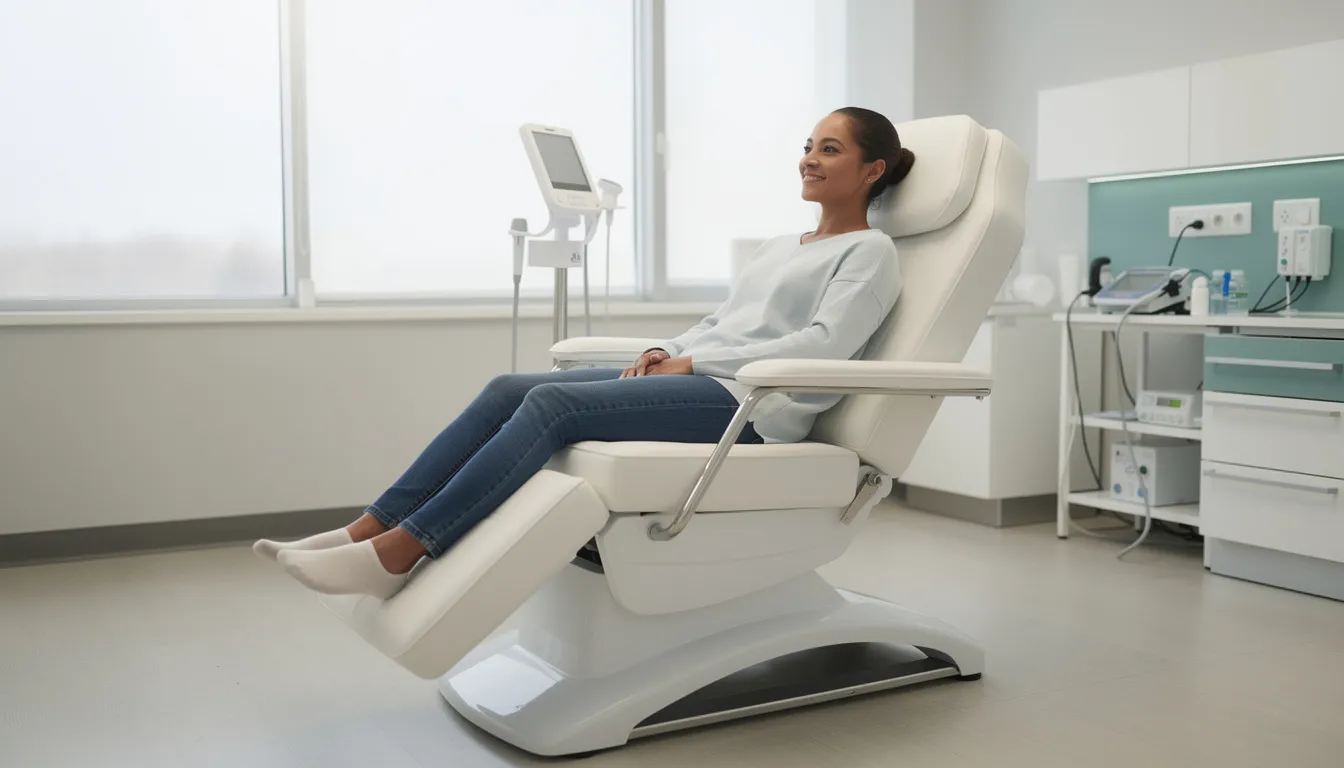
During each tms treatment, patients are seated comfortably in a reclining chair while the TMS coil is positioned on the scalp. The coil delivers focused magnetic pulses to specific brain regions, such as those involved in depression or obsessive compulsive disorder. For some patients, deep TMS may be recommended, which uses a specialized coil to reach deeper brain structures. The protocol—including the number of pulses, intensity, and session duration—is customized based on the patient’s diagnosis, treatment history, and response to previous sessions.
Whether addressing depression, OCD, or other mental health conditions, the goal of each treatment session is to stimulate nerve cells in the targeted brain region, helping to restore healthy brain activity and improve symptoms. The flexibility of TMS protocols allows clinicians to adapt the treatment for a wide range of conditions and individual needs, ensuring the best possible outcomes for each patient.
Who Is a Good Candidate for TMS?
Not everyone with depression is automatically a TMS candidate. Understanding the selection criteria helps set realistic expectations about this safe treatment option.
Ideal candidates typically include:
- Adults aged 18 and older with major depressive disorder
- Those with moderate to severe depression symptoms despite adequate medication trials
- People who have completed evidence-based psychotherapy without sufficient improvement
- Individuals able to commit to daily weekday sessions for 4–6 weeks
- Those with stable housing and social support systems
Insurance requirements usually include:
- Documentation of 2–4 prior antidepressant medication trials at therapeutic doses
- Evidence of recent psychotherapy participation
- Records showing medication duration of at least 4–6 weeks per trial
- Documentation explaining why each medication was discontinued (inadequate response vs. intolerable side effects)
Specific requirements vary by insurance plan. Poplar Tree’s administrative team helps patients verify benefits and obtain necessary prior authorizations.
Important exclusions to consider:
| Exclusion Category | Specific Items |
|---|---|
| Non-removable metallic devices | Aneurysm clips, metallic plates, shrapnel near the head |
| Electronic implants | Deep brain stimulators, cochlear implants, certain pacemakers |
| Medical conditions | Active uncontrolled seizure disorder, severe traumatic brain injury |
| Other considerations | Recent history of mania in bipolar disorder, active substance use disorder |
Patients with a history of seizure disorder, severe head trauma, or bipolar disorder require careful evaluation by our clinicians to weigh risks and benefits before proceeding.
Braces and most dental fillings are generally safe because they’re not significantly affected by the magnetic field generated during treatment.
Poplar Tree’s intake process includes:
- Comprehensive psychiatric assessment
- Medical history review including any head injuries
- Complete medication list evaluation
- Physical exam when appropriate
- Metal and electronic device safety screening
- Insurance verification and prior authorization support
What to Expect Before, During, and After TMS Sessions
Understanding the practical details of TMS treatment helps patients feel prepared and reduces anxiety about the process. Here’s a complete walkthrough of what happens at Poplar Tree Wellness Center.

Before Your First TMS Visit
Your TMS journey begins well before the first tms session. Preparation includes:
- Completing detailed intake forms covering psychiatric and medical history
- Providing a comprehensive list of all current medications
- Undergoing safety screening for metal implants and electronic devices
- Gathering records of prior antidepressant treatments, including dosages and durations
On treatment days, remove magnetic-sensitive items including credit cards, phones, watches, jewelry, and hair clips before entering the treatment area. Comfortable clothing is recommended.
Some patients choose to arrange a ride home after the very first session just to see how they feel, though most patients can safely drive themselves from day one since there’s no sedation or cognitive impairment involved.
Poplar Tree’s staff assists with insurance prior authorization and documentation of past treatments, including helping patients understand how our psychiatrists who accept Medicaid in New Jersey can work with their specific plan. We recommend verifying coverage before beginning treatment to understand your financial responsibility.
Your First Mapping Session
The initial visit is longer and more involved than subsequent sessions, typically lasting 60–90 minutes. This is when your clinician establishes your individualized treatment parameters.
The motor threshold procedure:
- The clinician places the tms coil over your motor cortex (the part of the brain involved in movement)
- Pulses are delivered at gradually increasing intensities
- The minimal intensity that causes a brief thumb or finger twitch is identified
- This “motor threshold” becomes your baseline for calculating treatment intensity
After establishing motor threshold, the clinician measures and marks the precise scalp location corresponding to your left dorsolateral prefrontal cortex. This ensures reproducible placement for every subsequent session—sometimes using a cap or skin-safe marker.
During this visit, you’ll experience what daily treatments will feel like with our TMS services at Poplar Tree Wellness Center:
- Loud, rapid clicking sounds from the tms device (earplugs provided)
- Tapping sensation on your scalp
- Possible mild facial muscles or eye twitching near the coil
The motor threshold may need periodic reassessment during your treatment course, particularly if your response changes or you adjust medications.
During Daily TMS Treatments
After mapping is complete, daily treatment sessions are straightforward and efficient.
The setup:
- You remain awake, seated in a comfortable reclining chair
- The tms machine positions the coil over your marked treatment spot
- Staff confirm settings (intensity, frequency, pattern) established during mapping
- Earplugs are placed to protect your hearing
What you’ll experience:
- A rhythmic tapping sensation on your scalp as repeated magnetic pulses are delivered
- Clicking sounds from the electromagnetic coil
- Possible mild facial muscle twitching near the magnet
- Full consciousness—you can talk, watch television, or simply relax
Session length depends on your protocol. Standard repetitive tms at 10 Hz typically lasts about 20 minutes, while newer theta burst stimulation protocols can be completed in approximately 3 minutes.
A trained TMS technician or nurse practitioner remains present or nearby throughout each session. They monitor your comfort, assess any side effects, and can make real-time adjustments to coil positioning, padding, or stimulation intensity during the first week to optimize your experience.
After Each Session and Overall Course
One of TMS therapy’s significant advantages is that there’s no required recovery time. The noninvasive procedure allows most patients to:
- Drive themselves home immediately
- Return to work or school without restrictions
- Care for children or complete normal daily activities
- Exercise or engage in other physical activities
Side effects, when they occur, are generally mild. Temporary scalp discomfort or headache usually fades within minutes to hours and typically decreases as treatment continues into the second and third weeks.
Timeline for noticing improvement:
| Timeframe | Typical Experience |
|---|---|
| Weeks 1-2 | Some patients notice better sleep or slightly improved energy |
| Weeks 3-4 | Many begin experiencing mood improvement |
| Weeks 5-6 | Full therapeutic effects often emerge |
TMS works cumulatively, so completing the full prescribed course is important even if changes seem slow initially. Our clinicians periodically review symptom rating scales (like the PHQ-9) and meet with patients at regular intervals—typically weekly or every 10–15 sessions—to track progress and adjust treatment if needed.
After completing the initial series of treatment sessions, some patients benefit from “booster” or maintenance TMS sessions scheduled at intervals. These long-term schedules are individualized and coordinated with comprehensive mental health services at Poplar Tree Wellness Center, including ongoing medication management and psychotherapy.
Administering TMS
Transcranial magnetic stimulation is always administered by a trained healthcare professional, such as a psychiatrist, nurse practitioner, or certified TMS technician, in a comfortable outpatient setting. The procedure is noninvasive and does not require anesthesia, allowing patients to remain awake and alert throughout the treatment session.
During each session, the TMS coil is carefully placed on the patient’s scalp, targeting specific brain regions—most commonly the dorsolateral prefrontal cortex, which plays a key role in mood regulation. The administrator monitors the patient’s comfort and response, adjusting the intensity or positioning of the magnetic pulses as needed to ensure optimal results. This personalized approach helps maximize the effectiveness of each treatment while minimizing any discomfort, making TMS a safe and accessible option for those seeking relief from depression and other mental health conditions.
TMS Treatment Frequency
The frequency and duration of TMS treatment sessions are designed to provide the greatest chance of symptom relief while fitting into patients’ daily lives. Most commonly, patients undergo TMS treatment five days a week, with each session lasting between 3 and 30 minutes, over a period of 4 to 6 weeks. This intensive schedule allows the repeated magnetic pulses to have a cumulative effect on the targeted brain regions, supporting lasting improvements in mood and mental health.
Treatment frequency may be adjusted based on how the patient responds—some may benefit from more frequent sessions, while others may need fewer. After the initial course, some patients may require maintenance or booster sessions to sustain the benefits of TMS treatment and prevent relapse. Your care team will work with you to determine the most effective schedule for your individual needs and goals.
Ongoing TMS Treatment
For many individuals, ongoing TMS treatment plays a crucial role in maintaining mental health and preventing the return of depression symptoms. After completing the initial series of treatment sessions, some patients benefit from regular maintenance sessions, while others may only need occasional booster treatments to maintain symptom relief.
The frequency and duration of ongoing TMS treatment are highly individualized, based on your response to the initial course and your overall mental health goals. Working closely with your healthcare provider, you can develop a long-term treatment plan that supports lasting recovery and improved quality of life. Ongoing TMS treatment is designed to help you stay well, reduce the risk of relapse, and continue making progress in your mental health journey.
Benefits and Effectiveness of TMS Therapy
The clinical evidence supporting TMS for treatment resistant depression is substantial. Large studies consistently show positive outcomes for people who failed other depression treatments:
Response and remission rates:
- Approximately 50–60% of patients who didn’t respond to antidepressant medications demonstrate meaningful response to TMS
- Around 30–35% achieve full remission
- More than half of responding patients maintain remission at six-month follow-up

What improvement looks like:
- Reduced sadness and emotional pain
- Increased motivation and energy levels
- Better concentration and focus
- Improved sleep patterns
- Greater ability to experience pleasure
- Enhanced engagement in daily life and relationships
Advantages compared with medications:
Unlike systemic antidepressants, TMS doesn’t cause common medication side effects including:
- Weight gain
- Sexual dysfunction
- Gastrointestinal disturbances
- Sedation or cognitive fog
- Emotional blunting
How TMS compares to other brain stimulation therapies:
Unlike electroconvulsive therapy (ECT), TMS:
- Doesn’t require anesthesia—you remain awake throughout
- Doesn’t induce seizures as part of treatment
- Doesn’t cause memory loss or cognitive impairment
- Allows immediate return to normal activities
ECT remains highly effective for severe depression, particularly cases involving psychosis, and may be more appropriate in certain clinical situations. However, TMS offers a gentler option for many patients who need brain stimulation but cannot tolerate ECT’s side effect profile.
Research suggests many responders maintain their gains for months after completing TMS, particularly when they continue psychotherapy, healthy routines, and appropriate medication management, often supported by our broader wellness and TMS-focused resources.
It’s important to maintain realistic expectations: TMS is not a guaranteed cure, but it offers a meaningful new option—and genuine hope—for people who haven’t found relief through traditional approaches.
Side Effects and Safety of TMS
TMS is considered a very safe treatment with a favorable risk profile. The FDA has classified TMS technology with safety comparable to MRI scanning. More than a decade of post-approval surveillance (since 2008) has not revealed major unexpected long-term safety issues when TMS is administered according to approved protocols.
Common Side Effects
Most side effects are generally mild and transient:
| Side Effect | Frequency | Management |
|---|---|---|
| Mild to moderate headache | Common | Over-the-co |
| Scalp discomfort or tingling | Common | Typically decreases over first week |
| Facial muscles twitching | Common | Normal response to magnetic stimulation |
| Temporary fatigue | Occasional | Usually improves as treatment progresses |
Patients with a history of frequent migraines may experience increased headache frequency during treatment. In these cases, clinicians can adjust the protocol or, rarely, discontinue treatment if symptoms become problematic.
Uncommon and Serious Risks
The most serious potential risk is a TMS-induced seizure. However, this event is very rare—often cited around 0.1% or less in modern protocols—and primarily occurs in individuals with predisposing factors such as:
- Prior seizure disorder
- Certain medications that lower seizure threshold
- Serious head trauma history
- Brain lesions or tumors
Other rare events include:
- Brief dizziness
- Vasovagal syncope (fainting)
- Temporary hearing changes if ear protection isn’t used properly
Standard protocols include mandatory earplugs during every session.
Importantly, there is no evidence that TMS causes structural brain damage. The noninvasive form of brain stimulation doesn’t involve radiation exposure, require surgery, or implant devices like deep brain stimulators.
Patients should promptly report any unusual symptoms—such as aura, significant mood swings toward mania, or worsening anxiety—so clinicians can adjust or pause treatment as needed.
Safety Screening and Precautions
Every patient at Poplar Tree completes thorough screening before starting TMS. The safety questionnaire specifically checks for:
- Metal implants near the head (plates, screws, shrapnel)
- Aneurysm clips
- Cochlear implants
- Deep brain stimulators
- Pacemakers and other cardiac devices
- Vagus nerve stimulation devices
- History of seizures or epilepsy
- Serious head injury or traumatic brain injury
- Brain tumors or space-occupying lesions
- Unstable medical conditions
- Current substance use disorders
Braces and most dental fillings are generally safe, but all devices must be disclosed and reviewed before treatment clearance.
Patients typically continue prescribed psychiatric medications during TMS unless specifically advised otherwise. Some medications that lower seizure threshold may require adjustment in consultation with the prescribing provider.
Pregnancy is not an absolute contraindication, but TMS during pregnancy should be considered on a case-by-case basis with careful risk–benefit discussion.
TMS at Poplar Tree Wellness Center: Our Approach
At Poplar Tree Wellness Center in Newton, NJ, we integrate TMS into a comprehensive mental health treatment program designed for lasting recovery—not just temporary symptom relief.
Our multidisciplinary team includes:
- Board-certified psychiatrists
- Psychiatric nurse practitioners
- Licensed professional counselors
- Certified TMS technicians
Each team member collaborates on every treatment plan, ensuring coordinated care that addresses the whole person rather than isolated symptoms, reflecting the center’s compassionate, patient-centered approach.
We utilize FDA-cleared TMS technology—the most extensively researched and widely deployed TMS system in clinical practice. This tms device administers tms with precision and consistency, backed by robust clinical evidence and real-world outcome data for treatment resistant depression.
Complementary treatment options:
TMS doesn’t exist in isolation at Poplar Tree. We also offer:
- Spravato (esketamine) intranasal treatment for appropriate patients
- Traditional medication management
- Evidence-based psychotherapy
- Ongoing psychiatric monitoring and support
Combining TMS with medication and talk therapy often produces superior outcomes compared to any single approach alone, as reflected in our TMS therapy program for depression in Sussex County.
Our environment is designed to feel calm, respectful, and recovery-focused, echoing the experiences shared in client testimonials for Poplar Tree Wellness Center in NJ. Staff are trained to support patients through the entire 4–6 week TMS journey, providing encouragement during the early weeks when symptom improvement may not yet be apparent.
Ready to explore whether TMS is right for you?
Patients in Sussex County and surrounding New Jersey communities can call (201)-727-3241 to schedule a TMS consultation. Our team will review your history, discuss options, and help determine if TMS could be a helpful part of your recovery.
Frequently Asked Questions About TMS Therapy
Will my insurance cover TMS therapy?
Many major insurers and Medicare now cover TMS for treatment resistant depression when specific criteria are met, such as documented inadequate response to multiple antidepressant medications and psychotherapy. Coverage details, copays, and deductibles vary by plan. Poplar Tree’s administrative team helps patients verify benefits and obtain any required prior authorizations before treatment begins.
Can I keep taking my antidepressants and going to therapy during TMS?
In most cases, patients continue their existing medications and psychotherapy while receiving TMS. Combining treatments often improves and sustains results better than any single approach alone. Any medication changes are coordinated between the TMS psychiatrist and your prescribing clinician to ensure safety and consistency throughout your treatment course.
Will I feel results right away, or does it take time?
Some people notice early changes like better sleep or slightly improved energy in the first 1–2 weeks, but many don’t feel significant mood improvement until weeks 3–5 of treatment. TMS works cumulatively through repeated stimulation, and it’s important to complete the full prescribed course even if changes seem slow initially.
What happens if my depression comes back after finishing TMS?
If depressive symptoms gradually return months after completing TMS, options may include a shorter course of “booster” TMS sessions, medication adjustments, or intensified psychotherapy. Many insurers allow repeat TMS for patients who previously responded. Poplar Tree clinicians work with each patient to design a personalized maintenance plan based on their unique response pattern and ongoing needs.
How do I get started with TMS at Poplar Tree Wellness Center?
Getting started is straightforward: call (201)-727-3241 to schedule an evaluation. Bring a list of current medications and past treatments, and meet with a clinician to review your history, discuss options, and determine if TMS is appropriate for your situation. Contacting the clinic is simply an information-gathering step—not a commitment. Our goal is to help you understand whether TMS could be a valuable part of your recovery journey.