The Benefits of Sound Therapy for Relaxation
In today's fast world, finding ways to relax is key for our mental health. Sound healing, an ancient practice, is now recognized for its ability to help us relax deeply and lower stress.
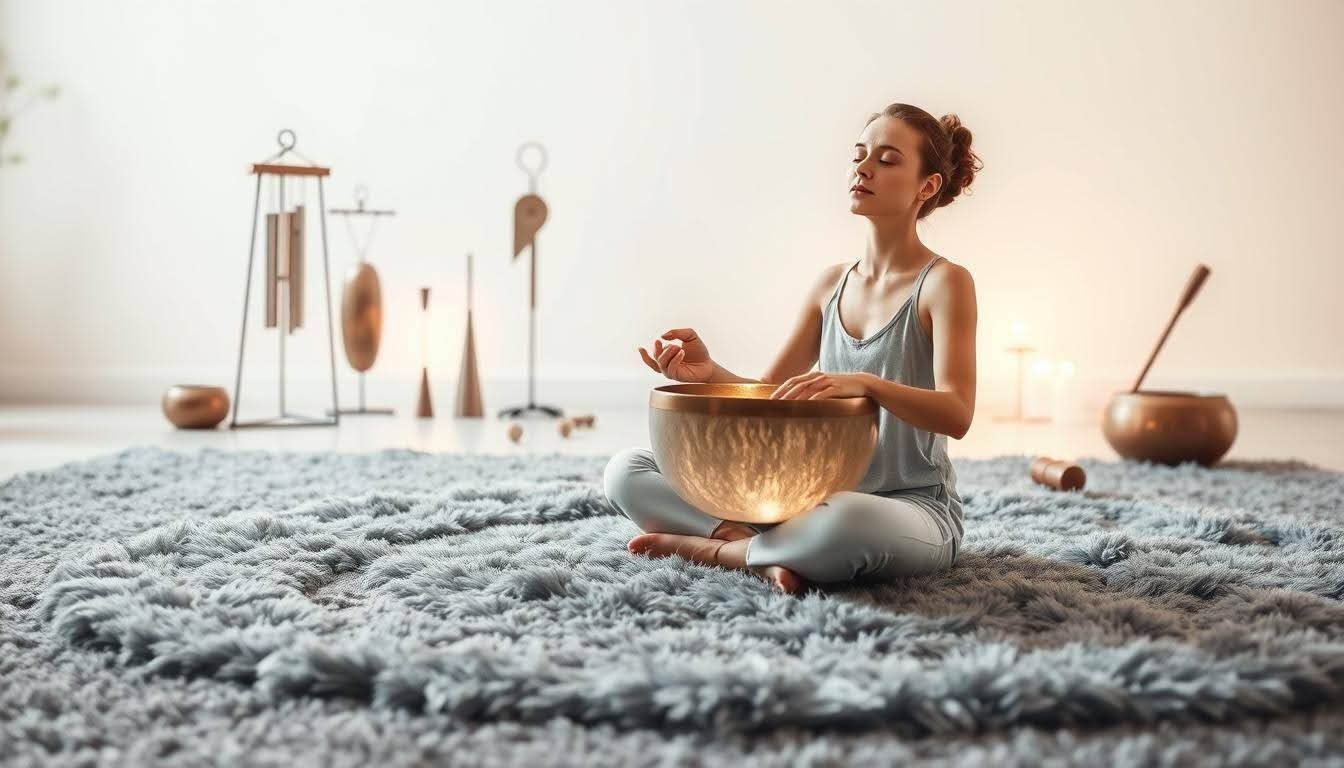
Places like Poplar Tree Wellness Center in New Jersey are using sound vibrations to help people relax. Studies show that these vibrations can make our brain waves slow down. This puts our body in a state of calm.
- Sound healing can promote deep relaxation and reduce stress.
- Poplar Tree Wellness Center offers holistic approaches to mental health including psychiatry, psychotherapy, and interventional treatments.
- Sound vibrations can slow down brain waves, inducing relaxation.
- Effective relaxation techniques are crucial for good mental health.
- Ancient practices like sound healing are being recognized for their benefits.
The Healing Power of Sound: An Ancient Practice for Modern Stress
In today's fast world, sound therapy is making a comeback. It's a centuries-old practice now recognized for its stress-relieving benefits. It helps promote relaxation and well-being.
What Defines Sound Therapy in Today's World
Sound therapy, or sound healing, uses sound to improve our health. It aims to change our brainwaves and heart rate. This leads to a calm state and less stress.
Historical Roots Across Ancient Civilizations
Sound healing is rooted in ancient wisdom found in cultures around the world. It's seen in Australian Aboriginal tribes and Tibetan spiritual ceremonies. For example, Tibetan monks use singing bowls and Tibetan bowls as a traditional sound healing instrument in meditation to create a healing space.
| Culture | Sound Healing Practive |
|---|---|
| Australian Aboriginal | Use didgerido in rituals |
| Tibetan | Singing bowls in meditation |
| Indian | Raga therapy in Ayurveda |
The Evolution to Contemporary Wellness Practice
Sound therapy is now a key part of wellness, and modern science is now examining the health benefits of sound therapy. Wellness centers and therapists use it in their plans. Poplar Tree Wellness Center's diverse, qualified staff shows the field's growth.
Poplar Tree Wellness Center offers a calm space for sound healing. Their team knows the history and culture of sound healing, while staying informed by current sound therapy research, reflecting the center's broader focus on compassionate and innovative mental health care. They adapt their practices for today's stress relief needs.
The Science Behind Sound Therapy for Relaxation
Sound therapy changes brain waves and lowers cortisol levels. It uses sound frequencies to help people relax, feel less anxious, and improve their well-being.
How Sound Frequencies Affect Brain Wave Patterns
Sound frequencies can change brain wave activity by influencing overall brain activity through brainwave entrainment. Different sounds match different states of mind, from alert to very relaxed. For example, binaural beats and isochronic tones help brain waves reach states like alpha, theta, or delta, and binaural beats may support cognitive function, including memory and attention. Some studies also link 40 Hz stimulation to gamma brain waves associated with cognition, along with better cognitive processing and memory. Brief daily binaural beat use for 10 minutes has also been linked to faster cognitive processing speeds. These states are linked to relaxation, meditation, and deep sleep.
Neurological and Physiological Responses to Therapeutic Sound
Sound therapy affects the brain and body in many ways through both auditory and tactile vibrations. It can lower cortisol, heart rate, and blood pressure. It also helps with anxiety and depression. Research has shown it can lead to deep relaxation, with less stress and more calmness. In addition, vibroacoustic therapy can influence the nervous system, support blood circulation, improve heart rate variability, and reduce muscle tension.
Recent Research Supporting Sound-Based Interventions
New studies show sound therapy works well for relaxation and stress. Recent studies are also exploring 40 Hz sound exposure, including findings that it may reduce Alzheimer's pathology in studies by influencing neurological pathways. Early results suggest sound therapy can improve neural connectivity and memory consolidation, but more research and stronger scientific evidence are still needed. It has been tested on people with chronic stress, anxiety, and sleep issues.
Clinical Studies on Stress Reduction
Many studies prove sound therapy lowers stress. It helps by reducing cortisol, promoting relaxation, and sound baths can reduce stress and anxiety levels. One hour of sound meditation has also been shown to reduce stress and anxiety significantly. This makes it a good addition to stress management.
Measuring Relaxation Responses
We can measure how sound therapy triggers the relaxation response through heart rate, EEG, and self-reports. These tools help us understand how sound therapy works.
Poplar Tree Wellness Center sees sound therapy as a valuable tool. It's used alongside treatments like NeuroStar TMS for depression and other psychiatric conditions. This helps improve overall well-being and relaxation, which can also support overall health.
Exploring Different Methods of Sound Therapy
Sound therapy offers a variety of healing practices to reduce stress and promote relaxation. It's not just one method; it's a collection of techniques, each with its own benefits.
Tibetan and Crystal Singing Bowls
Tibetan singing bowls and tibetan bowls have been used for centuries in meditation and healing. They produce a deep tone that helps relax and balance the body's energy, and crystal bowls are also used in sound healing sessions for calming resonance. Crystal singing bowls, made from quartz crystal, have a clear tone that resonates with the body's cells, promoting healing.
Binaural Beats and Frequency-Based Audio
Binaural beats use two different frequencies in each ear to create a pulsing effect. This can change brainwave activity, leading to deep relaxation, improved focus, or sleep. Isochronic tones and monaural beats also aim to alter brainwaves for relaxation and awareness.
Gong Baths and Vibrational Healing
Gong baths often involve simply listening to instruments like gongs and singing bowls as they surround you with sound and produce various frequencies. These vibrations, carried by sound waves, are believed to resonate with the body's cells, leading to deep relaxation and healing. Vibrational healing, including gongs and tuning forks, aims to balance the body's energy.
Voice Toning and Mantras
Voice toning uses the voice to create healing sounds. Mantras, repeated during meditation, promote relaxation and focus the mind. Both practices calm the mind and bring inner peace.
Nature Sounds and Environmental Acoustics
Nature sounds, like rain or ocean waves, are used in sound therapy to calm the atmosphere. Environmental acoustics, including nature sounds or soundscapes, reduce stress and promote relaxation.
Poplar Tree Wellness Center offers sound therapy sessions incorporating these methods. Call them at (201)-727-3241 to learn more about their programs and how they can help you relax and find balance.
| Sound Therapy Method | Description | Benefits |
|---|---|---|
| Tibetan Singing Bowls | Produces a rich, deep tone | Promotes relaxation and balance |
| Binaural Beats | Alters brainwave activity | Includes deep relacation and improved focus |
| Gong Baths | Produces a wide rane of frequencies | Promotes deep relaxation and healing |
Key Benefits of Sound Therapy for Relaxation
Sound therapy is a powerful tool for relaxation, offering many benefits for body and mind. At Poplar Tree Wellness Center, we use sound therapy in our holistic mental health approach. We provide evidence-based solutions for our clients.
Stress Reduction and Cortisol Management
Sound therapy is great for reducing stress and managing cortisol levels. By listening to specific sound frequencies, people can lower their stress hormones. This leads to a more relaxed state.
Improved Sleep Quality and Insomnia Relief
Sound therapy also improves sleep quality by creating a calming environment. This is especially helpful for those with insomnia. The therapeutic sounds help regulate sleep patterns.
Enhanced Mental Clarity and Focus
Sound therapy not only relaxes but also improves mental clarity and focus. It stimulates the brain with specific frequencies. This leads to better concentration and mental acuity.
Emotional Release and Nervous System Regulation
Sound therapy offers a way for emotional release, emotional benefits, and nervous system regulation. It can reduce anxiety and improve overall well-being. Sound healing can also support spiritual well-being.
Pain Management Through Acoustic Stimulation
Sound therapy also helps with pain management and pain relief through acoustic stimulation. It may reduce pain perception and physical pain partly by promoting relaxation. Specific sound frequencies can provide relief from chronic pain, and 40 Hz vibroacoustic therapy using whole body vibration improved fibromyalgia pain scores, with participants reporting significant pain reduction from therapeutic vibration and about a quarter discontinuing pain medications after therapy. Some pain-focused sessions last about 20–45 minutes.
At Poplar Tree Wellness Center, sound therapy is integrated within a comprehensive mental health and wellness approach. Their expert team provides personalized sound therapy sessions tailored to each client's needs for optimal results.
Who Can Benefit Most from Sound Therapy
Sound therapy helps many, including those with chronic stress, anxiety, and sleep issues. It's a holistic way to relax and improve wellness. It's great for those looking for something different to help them feel better.
Individuals with Chronic Stress and Anxiety
Sound therapy can calm and soothe those with chronic stress and anxiety. The vibrations from sound healing tools lower cortisol levels. This helps people relax and feel less overwhelmed.
Poplar Tree Wellness Center's qualified team works closely with clients to customize sound therapy to their unique needs.
Those Experiencing Sleep Disturbances
Sound therapy can help those with sleep problems. It creates a peaceful space with calming sounds. This can improve sleep quality and length.
Listening to binaural beats or nature sounds can help regulate sleep. This leads to better rest and recovery.
People Seeking Complementary Mental Health Support
Sound therapy is one of several complementary therapies that can support, not replace, traditional mental health treatment. It helps manage symptoms of anxiety, depression, and more, with possible benefits for physical health as well as mental well-being as part of comprehensive mental health treatment. It can enhance emotional release and nervous system regulation.
Individuals Resistant to Traditional Relaxation Methods
Sound therapy is a good option for those who don't find traditional relaxation helpful. The immersive nature of sound healing makes it more enjoyable. It's better than meditation or deep breathing for some.
At Poplar Tree Wellness Center, the diverse and highly qualified staff offer personalized sound therapy sessions. They believe sound therapy can change lives and improve overall well-being.
Sound Therapy in Mental Health Treatment
Sound therapy is becoming a key part of mental health care. It helps with anxiety, depression, and PTSD within a comprehensive mental health and wellness approach. This old practice is now used to complement modern treatments.
Applications for Anxiety Management
Sound therapy is great for reducing anxiety. It makes you relax and calm down. Binaural beats and nature sounds are used to create a peaceful setting.
Supporting Depression Treatment
Sound therapy is also good for depression. It adds a positive touch to traditional treatments. It can make you feel better and reduce depression symptoms.
PTSD and Trauma Recovery Support
For PTSD and trauma, sound therapy is a gentle way to heal. It helps your nervous system and lets you release emotions.
Integration with Evidence-Based Mental Health Practices
At Poplar Tree Wellness Center, sound therapy, including sound healing therapy within an evidence-based care plan, is used with proven treatments. This includes FDA-cleared NeuroStar TMS therapy for depression, and clients may gain benefits when sessions are matched to individual needs. It offers a complete care plan for mental health.
| Mental Health Condition | Sound Therapy Application | Benefits |
|---|---|---|
| Anxiety | Binaural Beats, Nature Sounds | Relaxation, Reduced Symptoms |
| Depression | Sound Baths, Music Therapy | Mood Enhancement, Symptom Reduction |
| PTSD | Vibrational Sound Therapy, Guided Imagery | Nervous System Regulation, Emotional Release |
Adding sound therapy to mental health plans helps more. Poplar Tree Wellness Center leads in this new approach. They offer top-notch, whole care for patients.
Comprehensive Sound Therapy at Poplar Tree Wellness Center
At Poplar Tree Wellness Center, sound therapy is elevated with new methods and expert advice as part of their comprehensive psychiatric and therapy services in Newton, NJ. Their sound therapy program aims to relax, reduce stress, and boost well-being.
Our Innovative Approach to Sound-Based Healing
The team at Poplar Tree Wellness Center has crafted a special sound therapy program. It meets various mental health needs as part of their comprehensive mental health services. They use Tibetan singing bowls and binaural beats to create a custom plan for each patient.
How We Integrate Sound Therapy with NeuroStar TMS
Poplar Tree Wellness Center combines sound therapy with NeuroStar TMS for a full treatment, alongside other holistic offerings highlighted in their wellness and sound therapy resources. This mix tackles both physical and emotional mental health aspects.
Our Expert Team's Specialized Sound Therapy Training
The team at Poplar Tree Wellness Center is well-trained in sound therapy. Their skills allow them to customize sessions for each patient's needs.
Patient Experiences and Success Stories
Patients at Poplar Tree Wellness Center have seen big benefits from sound therapy. They've reported less anxiety and better sleep, echoing many of the clinic's client testimonials about life-changing care. Here are some success stories:
- Anxiety Reduction Case Studies: Many patients have seen a big drop in anxiety after sound therapy.
- Sleep Improvement Testimonials: Lots of patients have better sleep quality and duration with sound therapy.
For more details on Poplar Tree Wellness Center's sound therapy, call (201)-727-3241. Speak with one of their expert team members.
Practical Ways to Experience Sound Therapy Benefits at Home
You can make your home more peaceful with the right tools and techniques. Sound therapy, known for its relaxation benefits, is easy to add to your daily routine.
Essential Tools for Home Sound Therapy Practice
To begin your sound therapy journey, you'll need some key tools. These include:
- Singing Bowls: Known for their calming tones, singing bowls can create a soothing atmosphere.
- Binaural Beats Audio: Listening to binaural beats can change your brainwave frequencies, leading to relaxation.
- Nature Soundtracks: Nature sounds, like rain or ocean waves, can be very calming.
Creating an Effective Sound Healing Environment
Creating the right environment is key for effective sound therapy. Consider the following:
"The environment in which we practice sound therapy can significantly impact its effectiveness. A quiet, comfortable space can enhance the experience."
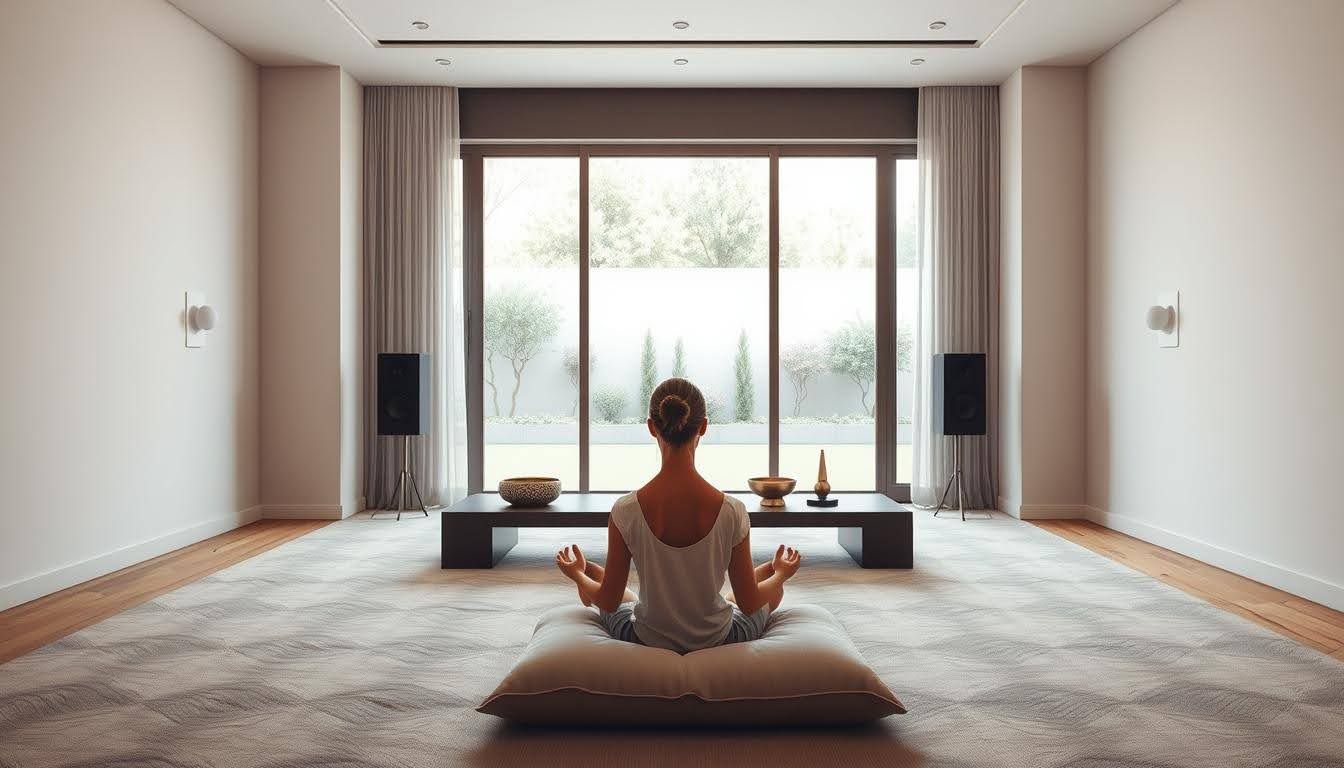
To create an ideal environment, make sure your space is:
- Quiet and free from distractions
- Comfortably lit and temperature-controlled
- Equipped with a good sound system
- Set up so you can lie comfortably on a yoga mat, which can support a whole body sense of ease during home sessions
Recommended Apps and Digital Resources
There are many digital resources to support your sound therapy practice at home. Some recommended apps include:
| App | Description |
|---|---|
| Calm | Offers guided meditation and sleep stories |
| Insight Timer | Provides a wide range of free meditation and sound therapy sessions |
When to Complement Home Practice with Professional Sessions
While home practice is beneficial, sometimes professional guidance is needed.
Signs You'll Benefit from Expert Guidance
If you're dealing with persistent stress or anxiety, or if you're unsure about sound therapy, professional help is a good idea, whether through psychiatrists who accept Medicaid in New Jersey or evidence-based options like cognitive behavioral therapy for anxiety and depression.
Conclusion: Embracing Sound as Your Path to Wellness and Balance
Sound therapy is a powerful tool for relaxation and well-being. It helps improve mental clarity, reduce stress, and balance emotions. By using it daily, people can see big changes.
For those looking for holistic mental health care, Poplar Tree Wellness Center in Newton and Hackettstown, NJ, is a leading provider. They offer sound therapy programs integrated with psychiatry, psychotherapy, and advanced interventional treatments like NeuroStar TMS, Spravato, and ketamine therapy. Their expert team is dedicated to helping clients find deep relaxation, balance, and improved mental health.
To learn more about sound therapy or to book a personalized consultation, call Poplar Tree Wellness Center at (201)-727-3241 today. Take the first step toward transforming your mental wellness through the healing power of sound.
Frequently Asked Questions About the Benefits of Sound Therapy for Relaxation
What is sound therapy and how does it promote relaxation?
Sound therapy uses specific tones and vibrations to influence brain wave patterns and the nervous system. By exposing the body to certain frequencies, it helps slow down brain activity, reduce cortisol levels, and promote a meditative state. This leads to deep relaxation, stress reduction, and improved overall well-being.
What are the historical roots of sound therapy?
Sound therapy has been practiced since ancient times across various cultures. For example, Australian Aboriginal tribes used the didgeridoo in rituals, Tibetan monks employed singing bowls in meditation, and Indian Ayurveda incorporates raga therapy. These traditions recognized the healing power of sound to balance the body and mind.
How does sound therapy affect brain wave patterns?
Sound therapy works through brainwave entrainment, where specific sounds and frequencies encourage the brain to synchronize its waves to desired states like alpha, theta, or delta. Techniques such as binaural beats use two tones at slightly different frequencies to achieve this effect, promoting relaxation, focus, or sleep.
What are the different methods of sound therapy?
Common methods include Tibetan and crystal singing bowls, binaural beats, gong baths, vibrational healing with tuning forks, voice toning, and nature sounds. Each method uses certain sounds or frequencies to target relaxation, emotional release, or physical healing at a cellular level.
Who can benefit from sound therapy?
Sound therapy benefits individuals experiencing chronic stress, anxiety, sleep disturbances, or those seeking complementary mental health support. It is also helpful for people resistant to traditional relaxation techniques, providing an immersive and enjoyable alternative.
How can I experience sound therapy at Poplar Tree Wellness Center?
Poplar Tree Wellness Center offers personalized sound therapy sessions using instruments like Tibetan singing bowls and binaural beats. Their expert team customizes treatments to meet individual needs, integrating sound therapy with other evidence-based mental health treatments for optimal relaxation and healing.
Can sound therapy be used in conjunction with other mental health treatments?
Yes, sound therapy complements traditional treatments such as psychotherapy and FDA-approved interventions. It enhances emotional release, nervous system regulation, and overall well-being, making it a valuable addition to comprehensive mental health care plans.
How can I start practicing sound therapy at home?
To begin at home, use essential tools like singing bowls, binaural beats audio, or nature soundtracks. Create a comfortable, quiet environment where you can lie in a comfortable position and immerse yourself in the sounds. Various apps provide guided sessions to help you practice effectively.